What you're looking at
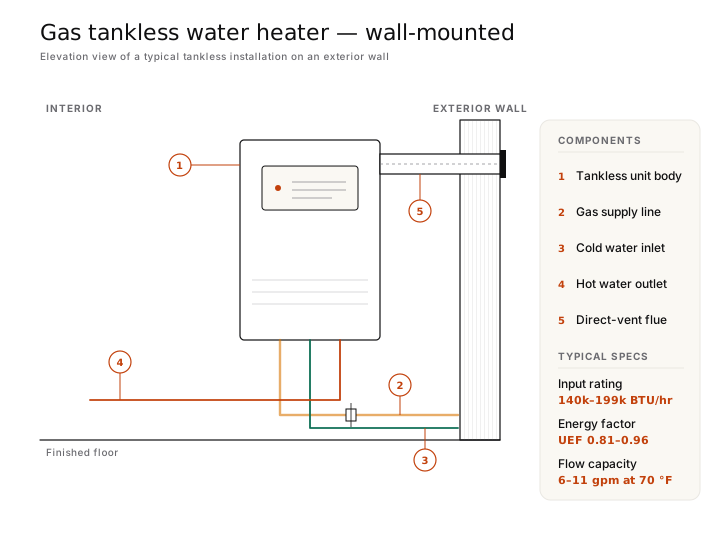
An elevation view of a typical residential gas tankless water heater mounted on the interior face of an exterior wall. From the bottom of the unit, three service lines drop down: the gas supply (with a shut-off valve), the cold water inlet, and the hot water outlet that runs back into the house to serve fixtures. At the top right of the cabinet, a concentric direct-vent flue penetrates the wall and terminates with an exterior cap. The faux indicator panel on the front of the cabinet stands in for the unit's status display and temperature controls. Framing is omitted for clarity so the plumbing and venting paths are easy to trace.
When this matters
Tankless water heaters are still common in addition and alteration projects where the existing gas infrastructure is preserved and a new high-recovery unit replaces an aging tank. Title 24 grandfathers existing equipment and recognises gas tankless as a valid replacement, but the install detail matters: the unit must be located close to peak-demand fixtures to minimise pipe losses, the gas line has to be sized for the input rating (typically 140,000 to 199,000 BTU per hour), and the direct-vent termination has to meet manufacturer setbacks from windows and openings. For pure new-construction single-family work, an electric heat pump water heater is usually the lower-margin path and gas tankless is selected only when paired with the addition-and-alteration scope.
Related
- Heat pump water heater elevation
- Gas storage tank water heater elevation
- Hot water distribution layout