Attics & roofs
Cathedral ceiling — spray foam unvented assembly
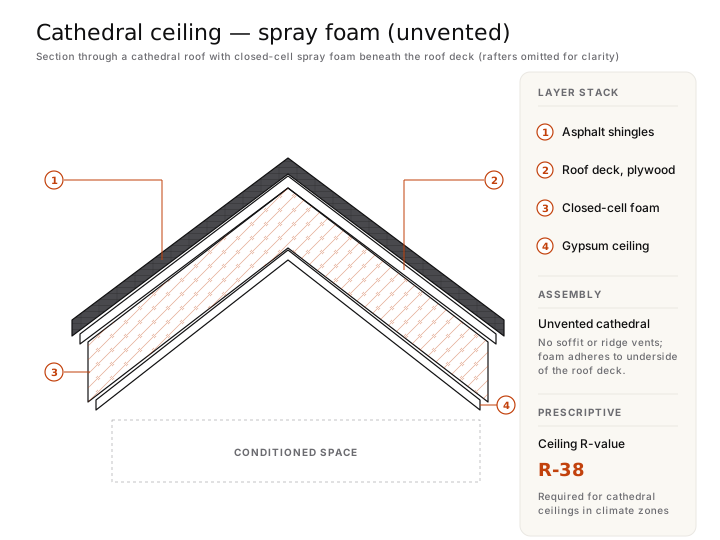
Cross-section through a cathedral ceiling with closed-cell spray foam directly applied to the underside of the roof deck (unvented assembly).
Labeled cross-sections and plan-view schematics for the wall, attic, glazing, HVAC, and PV details a Title 24 report has to capture — with the prescriptive values shown right on the figure. Upload your plans for a project that uses these.
No diagrams match those filters.
Cross-section through a cathedral ceiling with closed-cell spray foam directly applied to the underside of the roof deck (unvented assembly).
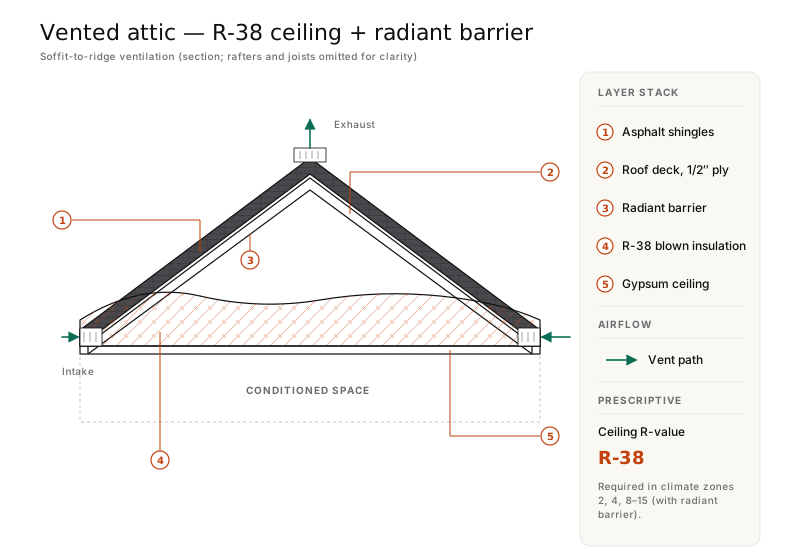
The standard attic section for most California climate zones: vented soffit + ridge, R-38 blown insulation at the ceiling plane, radiant barrier under the roof deck.
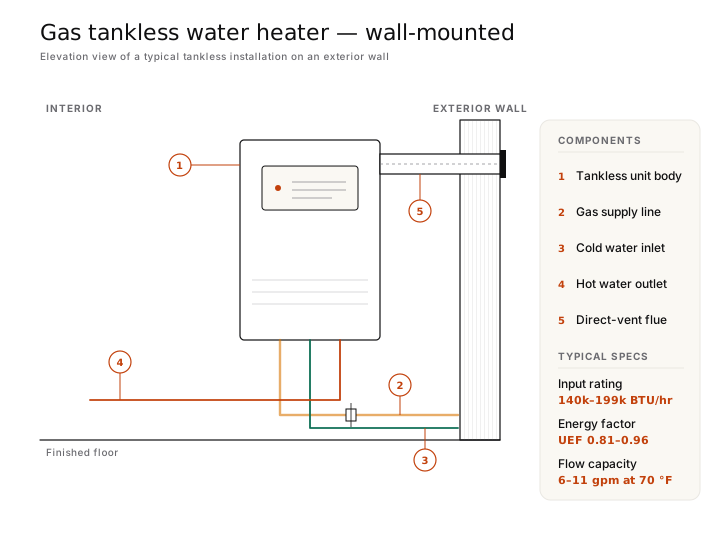
A wall-mounted gas tankless water heater with gas inlet, water inlet/outlet connections, and a flue vent through the wall.
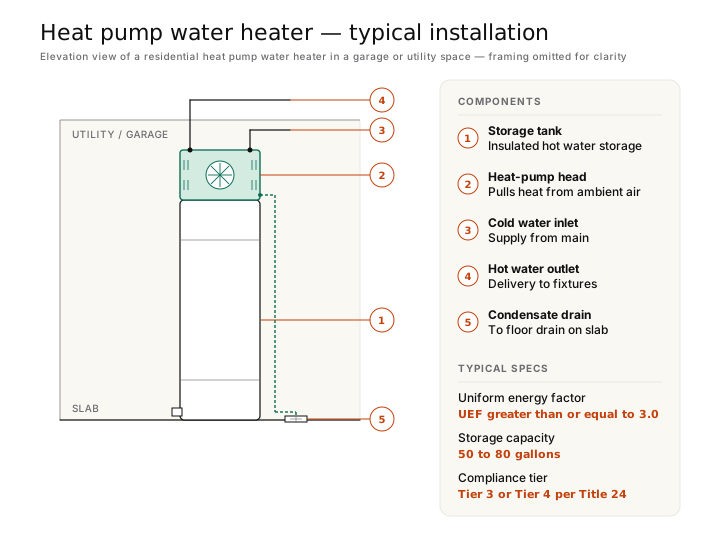
A heat pump water heater installed in a garage or utility space with cold inlet, hot outlet, condensate drain, and the heat-pump head on top of the tank.
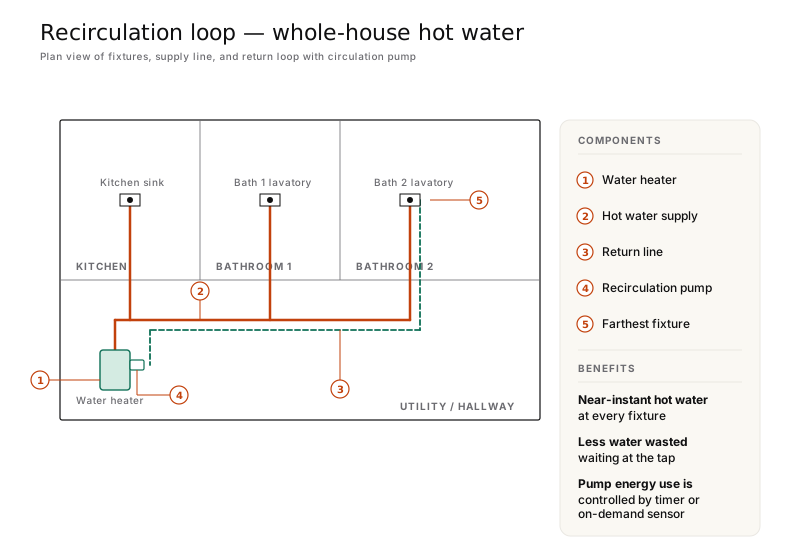
Plan view of a whole-house hot water recirculation system with a pump, supply line to fixtures, and a return line back to the water heater.
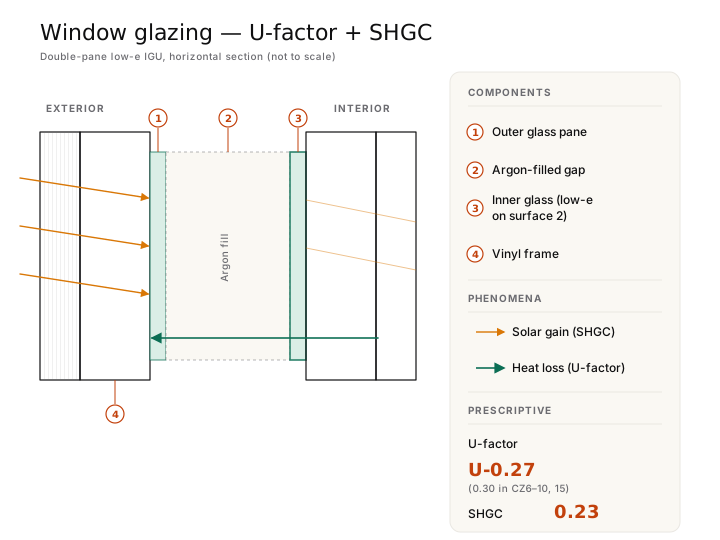
What U-factor and SHGC actually measure in a double-pane low-e window, and why every California climate zone tunes them differently.
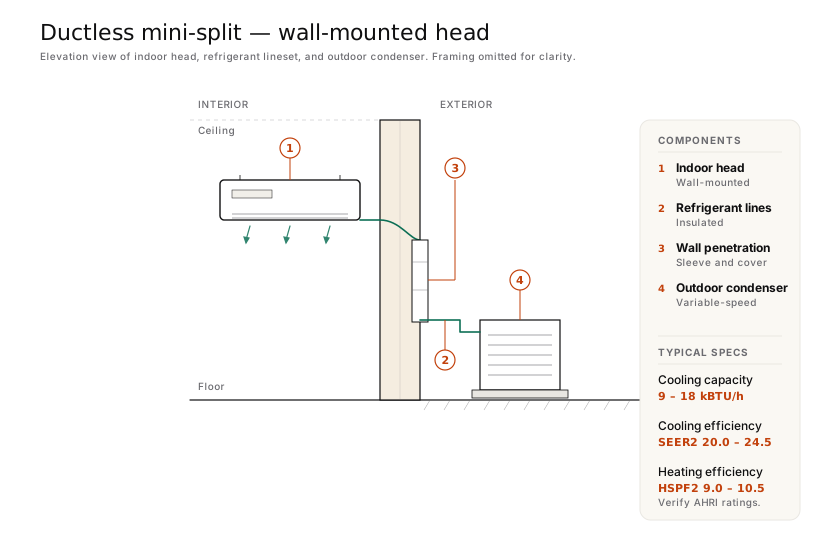
Elevation view of a wall-mounted ductless mini-split indoor head, refrigerant lineset through the exterior wall, and outdoor condenser.
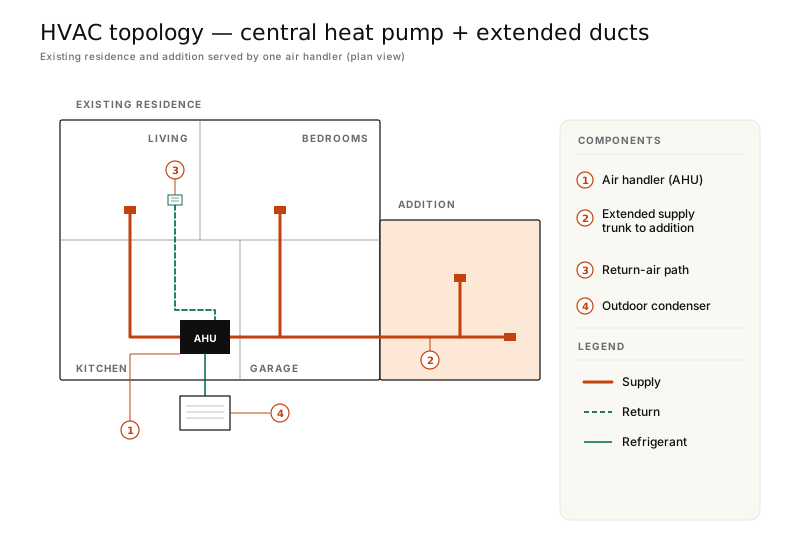
When an addition is attached to the existing residence, the most common HVAC strategy is to extend the existing supply trunk into the new zone. Simpler than a separate system, but bounded by AHU capacity.
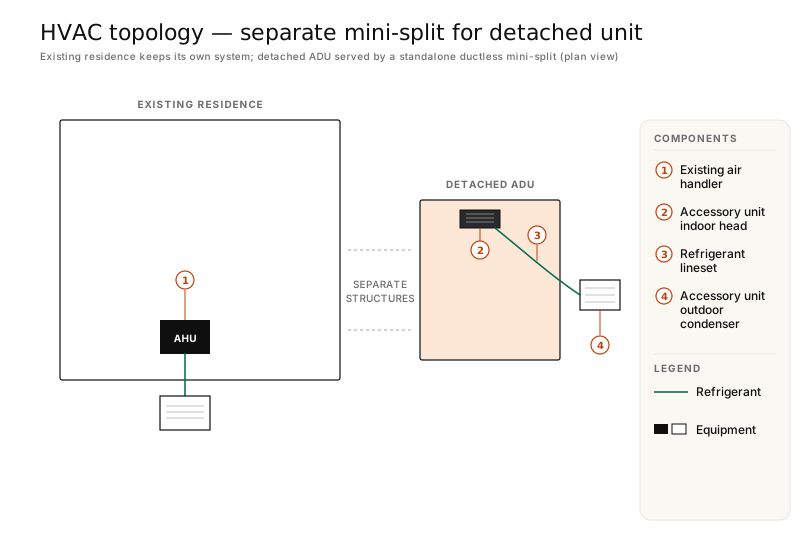
When the new zone is a separate structure on the same lot, the only practical HVAC topology is a dedicated mini-split with its own outdoor condenser. Extended ducts don't physically reach.
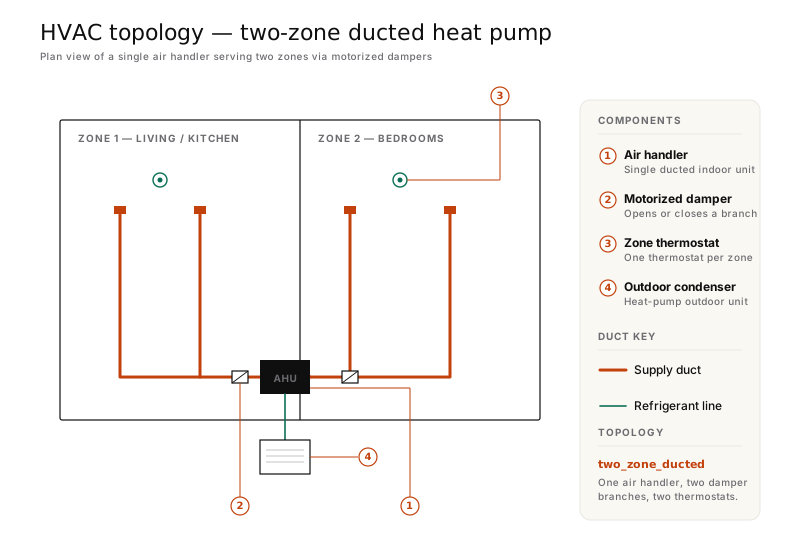
Plan view of a ducted heat pump serving two zones with motorized dampers and zone thermostats.

Horizontal timeline showing the steps from project upload through compliance verification, designer signatures, and CF1R delivery.
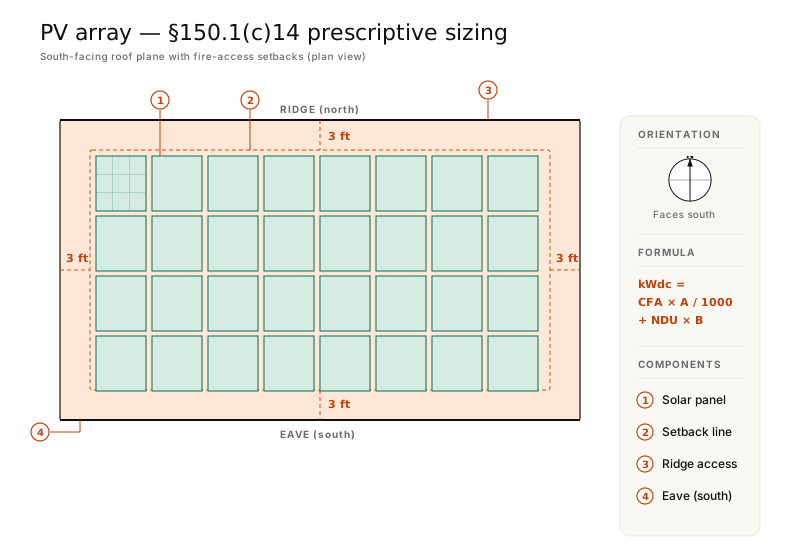
How the prescriptive PV size from §150.1(c)14 translates into actual panel count on a typical south-facing roof plane, with fire-access setbacks.
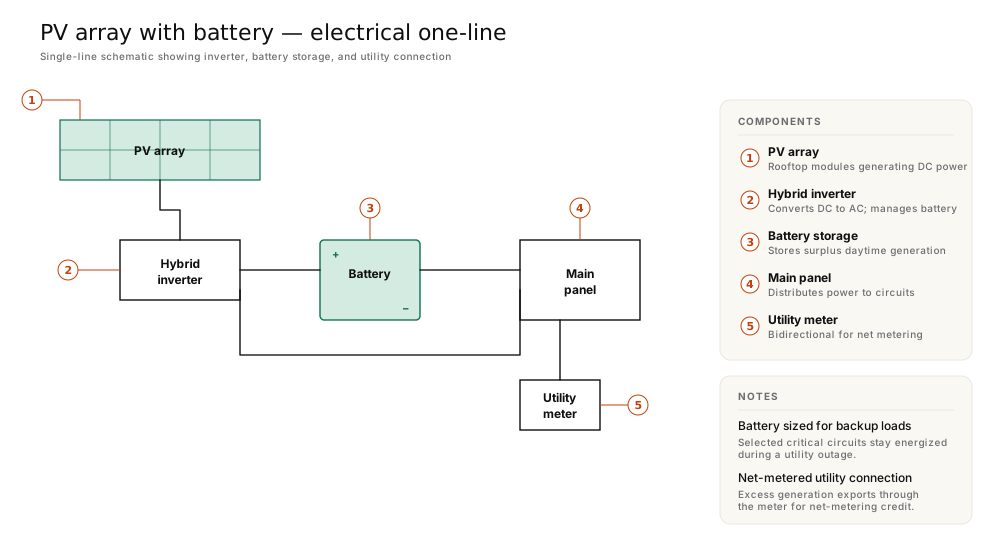
Simplified electrical one-line diagram showing the PV array, hybrid inverter, battery storage, main panel, and utility meter.
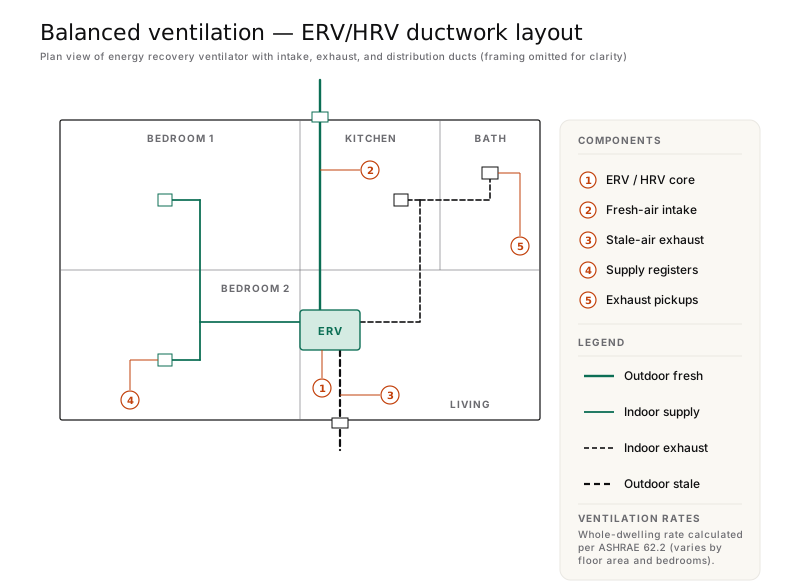
Plan view of a balanced ventilation system using an Energy Recovery Ventilator with intake, exhaust, and distribution ducts to bedrooms and living areas.
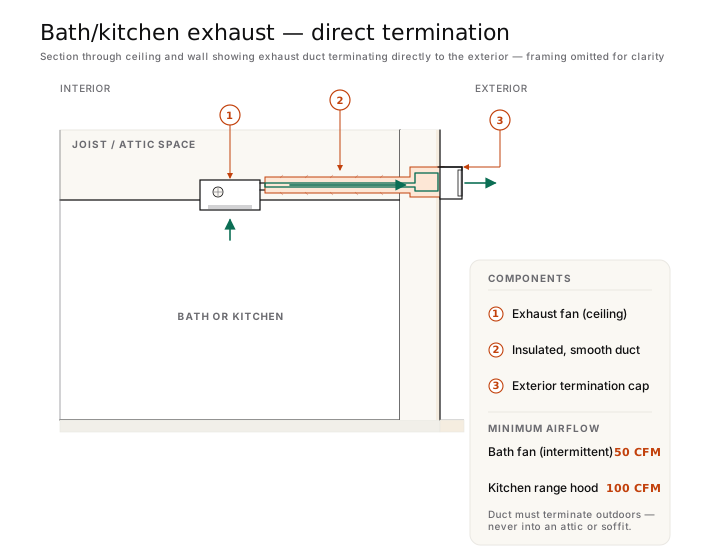
Cross-section showing a bath or kitchen exhaust fan with ductwork terminating directly through the exterior wall or roof (not into the attic).
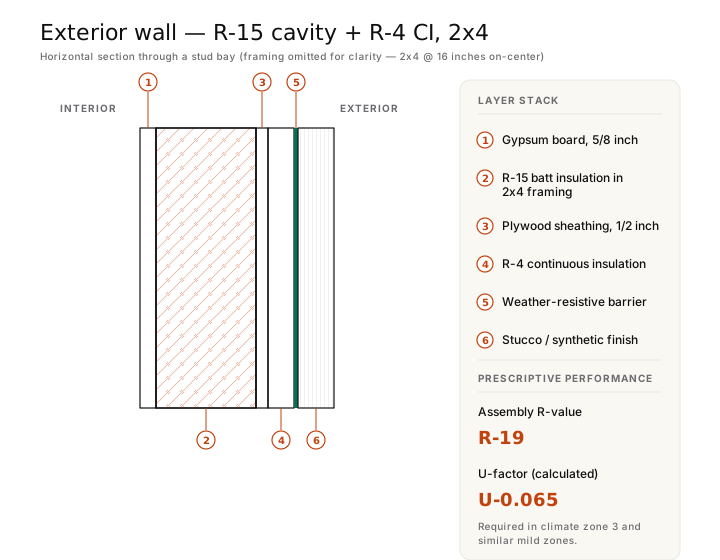
The prescriptive exterior wall section for cool-coastal climate zones (CZ3, CZ5, CZ6, CZ7) -- 2x4 stud cavity at R-15 with R-4 continuous insulation.
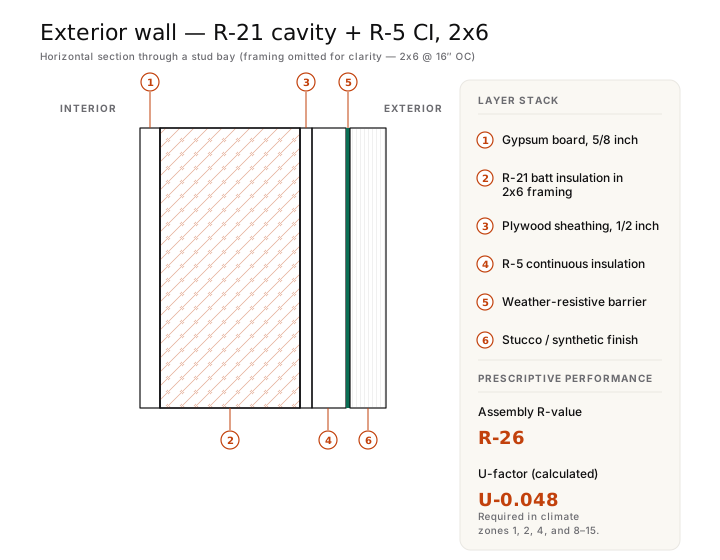
The prescriptive exterior wall section for most of California: 2x6 stud cavity at R-21 with R-5 continuous insulation on the sheathing side.