What you're looking at
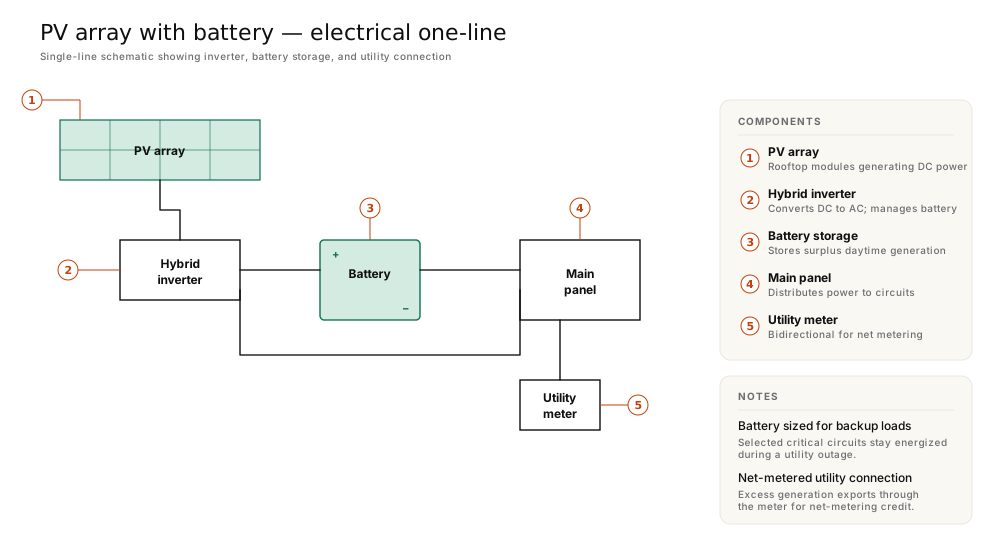
A simplified single-line schematic of a residential photovoltaic system paired with battery storage. Direct current from the rooftop PV array feeds a hybrid inverter, which converts the output to AC for the main electrical panel and also charges (or draws from) the battery. The main panel is tied to a bidirectional utility meter so any surplus generation can be exported under a net-metering arrangement, and the building can draw from the grid when generation is low.
The hybrid inverter is the orchestrator in this layout: a single device handles PV-to-AC conversion, battery charge and discharge, and the handoff between solar, stored, and utility power. The battery sits on a dedicated branch off the inverter rather than behind the main panel, which lets it pick up selected critical loads during a utility outage.
When this matters
Designers reach for this layout when the homeowner wants resilience in addition to bill savings — wildfire-driven public-safety power shutoffs, summer-evening peak rates, and time-of-use tariffs all push toward storage as well as generation. The §150.1(c)14 PV mandate sizes the array; the battery is an owner option that builds on top of the same inverter and panel infrastructure. Knowing the one-line up front shapes panel-schedule decisions, where the inverter and battery physically mount, and which circuits get pulled onto the backup bus.
Related
- PV array roof layout (sizing and module placement)
- Title 24 §150.1(c)14 PV requirement and exceptions